The Invisible Loss: When Digital Spending Dies With You
…Subscriptions, Smart Homes, and Media Libraries Vanish After Death
The Invisible Loss: When Digital Spending Dies With You
…Subscriptions, Smart Homes, and Media Libraries Vanish After Death
Created with ChatGPT
The Digital Era
I am 45 years old, and grew up in this digital era. Spending on Digital is an acceptable instinct without second thought as long as it is value for money.
Paying for access or storage
I spend it on Netflix, Google Drive, and YouTube subscriptions
Buying and Owning Digital Assets
I paid for fully owned software, Steam games, PlayStation Plus, and Hoyogames
Building Digital Assets
I also started building digital assets for sites like Dreamstime, Adobe, Redbubble, a software solution, and a blog.
Building a Smart Home Ecosystem
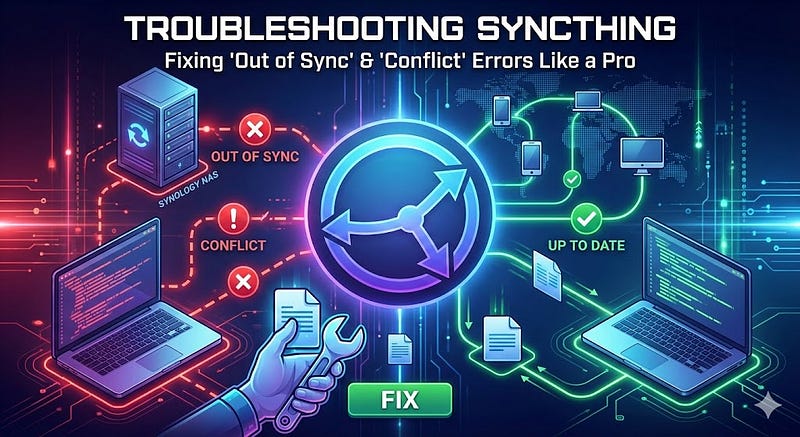
I have a multi-brand smart home system that I set up and manage with Home Assistant on a Synology NAS.
At one point in time, I suddenly had a blink of thought — “What happens if I pass away unplanned?”
Let’s Be Fair
Not all digital spending is to be concerned about
- Content subscriptions are content access and experience, just like a theme park ticket.
Digital spending categories that I am concerned about now
- Storage subscriptions are fair enough for removing storage capacity, but some digital assets like photos and videos are memories I wish to pass on to my children.
- Digital Assets (Purchased or Built) — I want to pass on, especially if they’re relevant or used by the next of kin. Bank Account for sure. For those who own Bitcoins, they must be able to pass them on as well.
- Smart Home Ecosystem — No one else in this household knows how to manage
(New) Digital Inheritance Service Category
New service categories will arise to properly document:
- Login info
- 2-step security methods or devices
- Digital Asset Purpose
- Digital asset guide to changing ownership
- Automatic inheritance approach when the owner dies
Google has already started looking into this, where “Family Password Sharing” allows customization of password sharing to up to 6 people.
DGLegacy & Inheriti are already doing this today.
But These Services Likely Will Remain Niche Due to…
1. Security Complexity
Security measures have evolved. Today, many services request a fingerprint, an authenticator code, or the actual owner’s phone for verification.
If the owner’s phone is still around and you know the passwords, that is the best scenario
If the owner’s phone is lost or damaged, you may lose access to many digital assets due to not being able to do secondary verification
2. Next of kin not knowledgeable
Unless they are cultivated well, next of kin may not be knowledgeable enough to manage or even access your digital assets
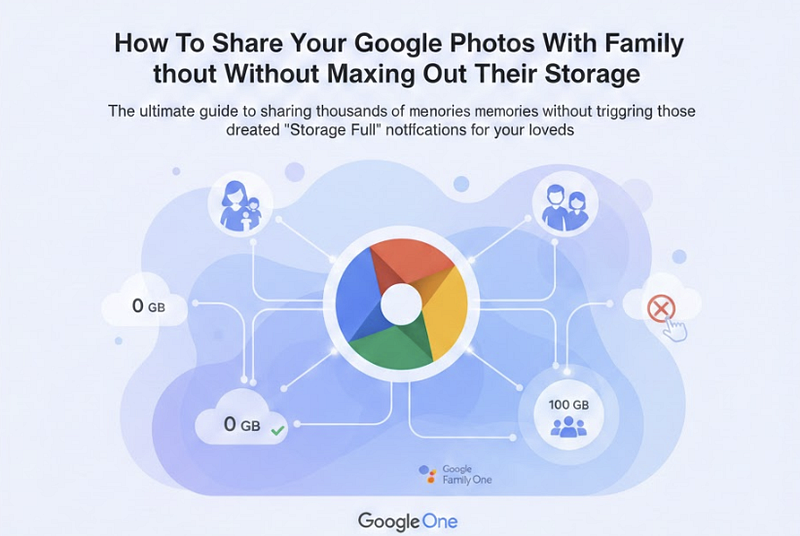
Using **Google Photos **as an example, many people, especially the new generation, use smartphones only. They likely won’t know how to download and manage it on local computer devices. This is good news for Google to continue driving Google Drive subscriptions.
Home Assistant management — likely this will break, and next of kin revert to a basic home setup
3. Trust & liability issue
These are financial assets. Everyone is concerned about security, as even Bitcoin can be stolen.
There will be an increase in physical offices of digital inheritance services in town to build trust. The reason is that cross-border enforcement is challenging. Physical local presence is the only way to make a business accountable, build trust, and encourage purchase.
Conclusion
Unfortunately, these digital inheritance services may be niche and short-lived down the road. As this issue catches more attention, those financial-related service owners, e.g., Google, YouTube, Adobe, Bitcoin, may directly build in an inheritance mechanism for the users.
What do you think?
Support Me
If this helped, consider buying through the links above — it costs you nothing extra and keeps this blog going.