2025-03-28_Navigating-the-Future–The-Next-Chapter-in-Smartphone-Evolution-0a615158bb47
As the smartphone industry grapples with market saturation and incremental innovation, the horizon presents both challenges and…
Navigating the Future: The Next Chapter in Smartphone Evolution
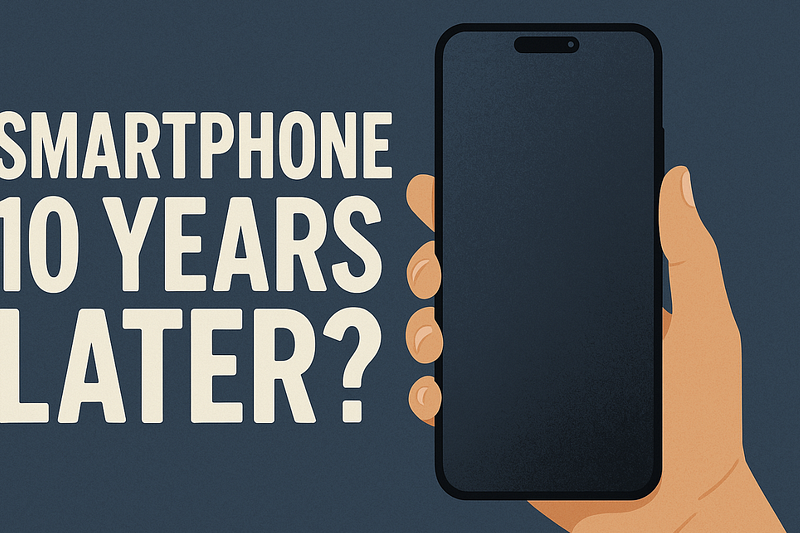
As the smartphone industry grapples with market saturation and incremental innovation, the horizon presents both challenges and opportunities that will shape its trajectory.
Market Dynamics and Replacement Interest
The smartphone industry has entered a phase of maturity, characterized by slower innovation cycles and a noticeable decline in consumer urgency to upgrade devices. This trend is evident as users increasingly perceive new models to offer only incremental improvements over their predecessors. A 2023 survey by Deloitte highlighted that 64% of smartphone users believe recent models provide minimal enhancements, leading to extended replacement cycles — from an average of 24 months in 2016 to 31 months in 2023.
This shift is particularly pronounced among younger demographics. For instance, Gen Z consumers are opting for refurbished smartphones over new ones, citing negligible advancements in features and significant cost savings. Reports indicate a 5% growth in the refurbished phone market from 2021 to 2022, with Apple capturing half of this segment.
Manufacturers are responding by focusing on device longevity and sustainability. Companies like OPPO are engineering smartphones designed to remain premium for up to 48 months, incorporating durable materials and long-lasting batteries to reduce electronic waste and promote responsible consumption.
Additionally, the rise of “feature phones” or “dumb phones” is gaining traction, driven by concerns over digital well-being and the addictive nature of smartphones. Sales of these simpler devices have increased, with 450,000 units sold in the UK in 2024, reflecting a growing desire for less immersive technology.
Design Homogeneity and Feature Saturation
The prevalent uniformity in smartphone design has further contributed to the perception of stagnation. Most devices adhere to a standard form factor — a rectangular slab with a large touchscreen and minimal bezels — making it challenging for consumers to distinguish between models. This design plateau has resulted in a lack of excitement surrounding new releases.
In response to these market dynamics, leading companies are exploring innovative designs to reignite consumer interest. Apple, for instance, plans to introduce a slimmer iPhone model and is developing foldable devices, including a larger device that unfolds to a 19-inch display functioning as a laptop and a smaller foldable iPhone. These initiatives aim to offer fresh experiences and encourage upgrades in a market where foldable smartphones currently hold a modest 1.5% share.
Consumer Behavior — Dominance of Video Consumption on Smartphones
Recent studies underscore the central role of smartphones as video consumption platforms. In the United States, 65% of internet households report watching video on mobile phones, a significant increase from 30% a decade ago. This shift is even more pronounced among younger demographics; for instance, Generation Z individuals allocate over 40% of their video viewing time to mobile devices.
Evaluating Emerging Innovations
- Artificial Intelligence (AI): AI has the potential to enhance the video consumption experience through personalized content recommendations, improved search functionalities, and adaptive streaming quality. However, these advancements may not be compelling enough to drive new smartphone purchases solely for content consumption purposes.
- Foldable Displays: Devices with foldable screens offer larger displays, which could enrich video viewing experiences. Yet, the substantial increase in cost — exemplified by Huawei’s $2,800 tri-fold smartphone — poses a barrier to widespread adoption among consumers primarily interested in video consumption.
- Satellite Connectivity: While satellite internet can provide reliable connectivity in remote areas, its direct impact on enhancing video consumption for the average user remains limited, especially in regions with established broadband infrastructure.
- Augmented Reality (AR) and Virtual Reality (VR): Companies like Meta are investing in AR glasses with the vision of them becoming a primary computing platform, potentially replacing smartphones for various tasks. However, these technologies are still in developmental stages and may not yet offer practical benefits for users focused on traditional video consumption.
Manufacturer Challenges and Consumer Expectations
The current landscape suggests that manufacturers face challenges in introducing innovations that resonate with consumers who primarily use smartphones for video consumption. The incremental nature of recent technological advancements, coupled with high costs, may not justify frequent device upgrades for this user segment. This scenario has led to perceptions of stagnation in smartphone innovation, as companies grapple with identifying and integrating features that offer substantial value to content consumers.
Strategic Shifts and Diversification
Companies are diversifying their portfolios to mitigate reliance on smartphone sales. For instance, Qualcomm is expanding into personal computing and automotive sectors, aiming for substantial revenue from these ventures by 2029. Similarly, Huawei has rebounded by venturing into smart-driving technology and software development, signaling a strategic pivot to sustain growth.
Conclusion
In conclusion, while emerging technologies present exciting possibilities, their immediate relevance and appeal to the majority of consumers who focus on video consumption remain uncertain. Manufacturers must carefully assess how to integrate these innovations in ways that meaningfully enhance the user experience without imposing prohibitive costs.